
Step-by-Step Villa Demolition Process in UAE (2026 Guide)
A complete guide to villa demolition in the UAE including permits, costs in AED, and what to expect from start to clean plot.
Start Your Villa Demolition Project
Licensed villa demolition services with complete project management from permits to final clearance.

The Raseen operations team are licensed demolition and site clearance contractors based in Industrial Area 4, Sharjah. Our blog content is written from direct jobsite experience and first-hand knowledge of UAE municipality permit processes — not from behind a desk.
Step 1 — Do You Need a Permit?
Yes — always. Whether you are demolishing a villa in Sharjah or Abu Dhabi, a demolition permit is legally required before any structural work begins. In Sharjah, the permit is issued by Sharjah Municipality. In Abu Dhabi, the permit comes from the Department of Municipalities and Transport (DMT). Attempting demolition without a permit can result in fines, stop-work orders, and liability for any damage caused.
The permit application requires structural drawings, proof of ownership, utility disconnection certificates, and a licensed contractor. Raseen handles the full application on your behalf — you do not need to visit the municipality offices.
Step 2 — Choosing a Licensed Contractor
Not every demolition company operating in the UAE is properly licensed. Ask for the contractor's municipality licence number, check that they carry liability insurance, and confirm they have experience with the specific permit process in your emirate. Red flags include contractors who ask for full payment upfront, cannot provide a written quote in AED, or claim permits are not needed for small villas.
A licensed contractor will always insist on permits, utility disconnection, and a structural survey before any machinery touches the building. If they skip these steps, walk away.
Step 3 — Utility Disconnection
Before demolition begins, all utilities must be formally disconnected and certified. In Sharjah this means SEWA (Sharjah Electricity and Water Authority) for electricity and water. In Abu Dhabi it is ADDC (Abu Dhabi Distribution Company) or AADC for Al Ain. DEWA handles Dubai disconnections.
The utility disconnection certificate is a required document for the demolition permit application. Raseen coordinates the disconnection process directly with the relevant authority and provides the certificates as part of the project.
Step 4 — Structural Assessment
A licensed structural engineer must assess the building before demolition begins. They check the construction method (load-bearing walls vs frame), the condition of the structure (cracks, subsidence, prior damage), and any adjacent structures that could be affected. The assessment determines whether mechanical demolition (excavator) or manual demolition is safer and more appropriate.
Step 5 — Demolition Methods
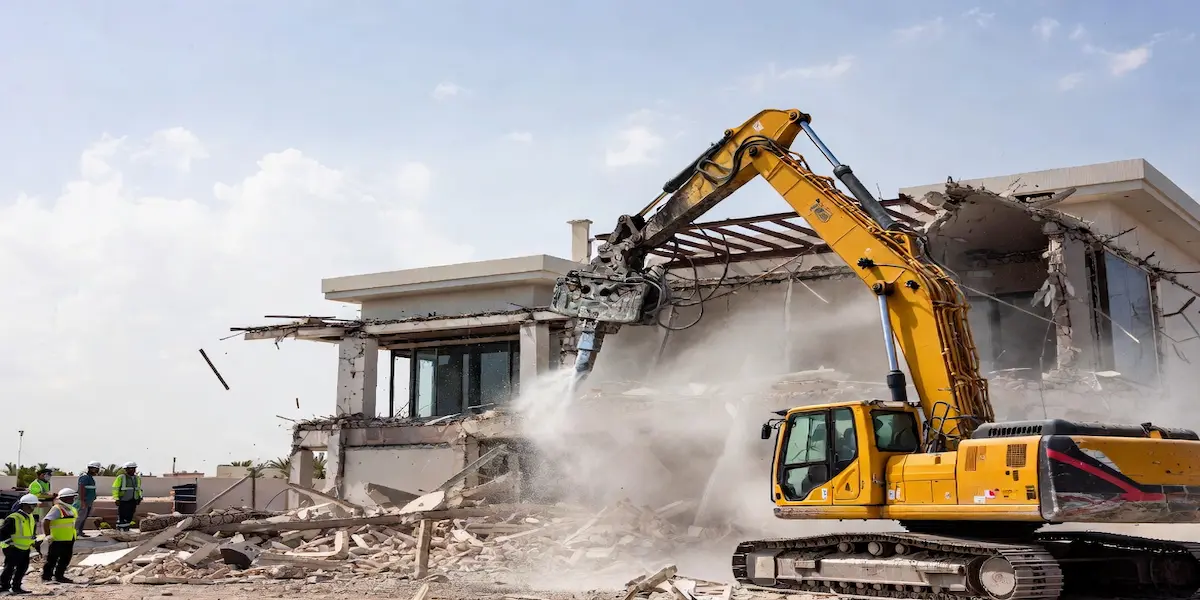
Mechanical demolition uses an excavator or hydraulic breaker and is suited to standalone villas with clear access and no immediately adjacent structures. It is faster and more cost-effective for most residential villa demolitions in Sharjah and Abu Dhabi.
Manual demolition is used when access is restricted, when adjacent walls need to be preserved, or when selective demolition is required — for example, removing only one section of a building. It is slower and more labour-intensive but gives precise control over what is removed.
Step 6 — Debris Removal and Scrap Recovery
Once demolition is complete, all debris must be cleared from the plot. Raseen separates recyclable materials — steel rebar, copper wiring, aluminium frames — from concrete rubble and general waste. The scrap value of recovered materials is credited against your project cost, which can reduce the total demolition bill significantly. Learn more about our scrap collection service.
Step 7 — Site Handover
The final step is handing back a clean, level plot with all required documentation. This includes the municipality handover certificate, utility disconnection confirmations, and a site clearance report. Raseen provides a complete documentation package so you can proceed to new build planning without delays.
Typical Costs in AED
Demolition costs vary based on villa size, location, access, and the amount of scrap recovered. As a rough guide:
- 3-bedroom villa (up to 300 sqm): AED 15,000–25,000
- 4–5 bedroom villa (300–500 sqm): AED 25,000–45,000
- Large villa or compound (500+ sqm): AED 45,000–80,000+
Scrap recovery from a typical villa can offset AED 2,000–8,000 of the total cost depending on the volume of steel and copper present. Contact us for a free written quote.
3 Common Mistakes Property Owners Make
1. Hiring an unlicensed contractor to save money. This leads to permit rejections, stop-work orders, and in some cases personal liability for accidents on site. Always verify the licence.
2. Not disconnecting utilities before starting. Active water and electrical connections during demolition are a serious safety risk. The certificates are not optional — they are required for the permit.
3. Ignoring scrap value. Most property owners do not realise the steel rebar, copper wiring, and aluminium in their villa has significant resale value. A good contractor will recover and credit this automatically. If yours does not mention scrap, ask.
Sharjah Demolition
Villa Demolition In Sharjah
View demolition services, permit assistance and site preparation support in Sharjah.
Ready to get started with scrap collection?
Get a competitive, written AED quote for scrap collection across Sharjah, Abu Dhabi, Ajman, or Dubai with instant collection.
Frequently Asked Questions About Demolition Process
More Guides on villa demolition process UAE
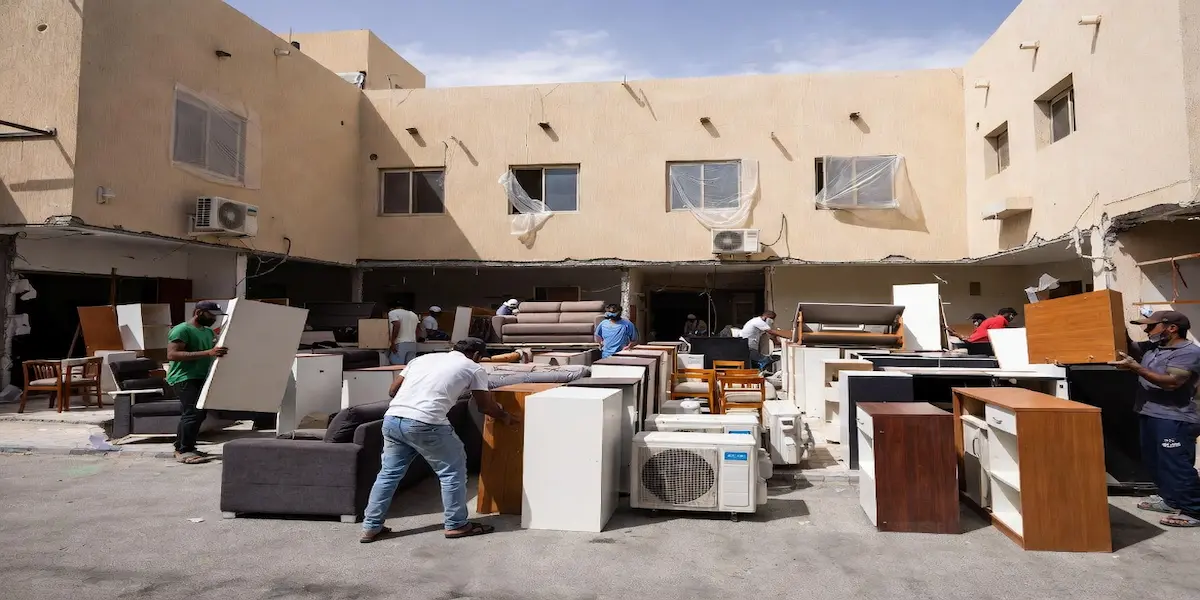
What Happens to Your Villa Contents Before Demolition
Everything you need to know about clearing villa contents before demolition starts.
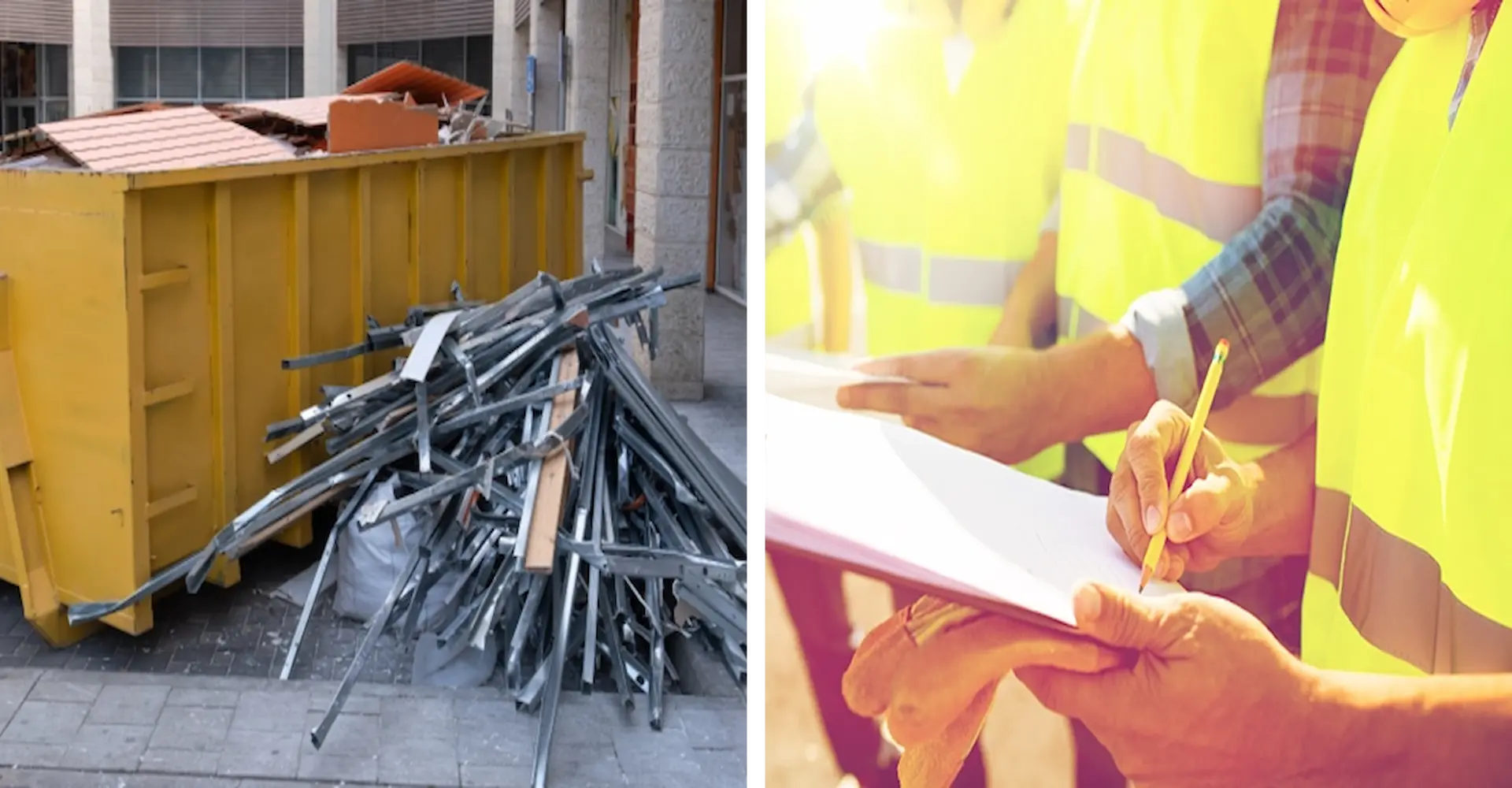
5 Things UAE Property Owners Ask Before Demolition — Answered
Answers to the five most common questions from UAE property owners before demolition.
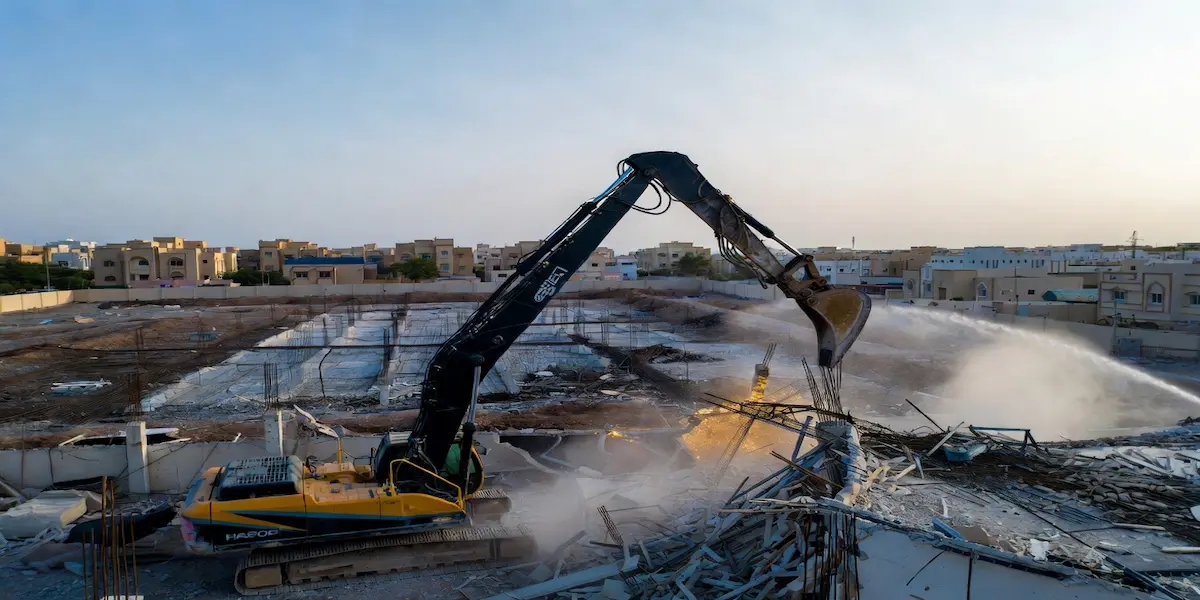
Villa Demolition in Ajman: Complete 2026 Guide
A complete guide to villa demolition in Ajman including Ajman Municipality permits, AED pricing, and area coverage.